Vaccination Guide: Immunisation Schedules for Every Age Group

Vaccines are one of the greatest achievements of modern medicine. They have wiped out smallpox, almost eliminated polio and saved millions of children from diseases that once killed routinely. Yet many adults stop thinking about vaccines after childhood, missing crucial protection through adolescence, pregnancy, adult life and old age. This guide explains the vaccines recommended at every stage, why they matter and where to get them.
How vaccines work
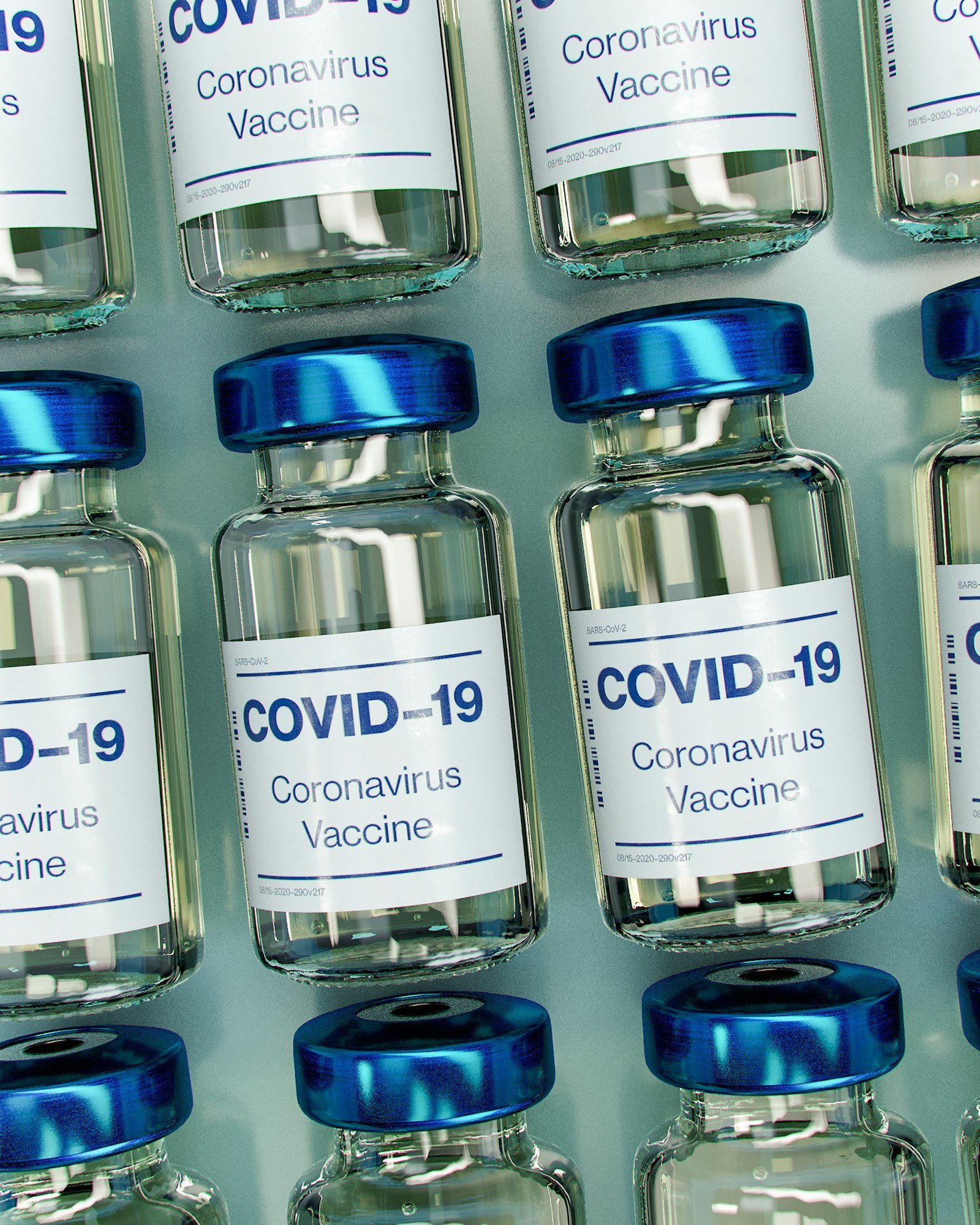
Vaccines train the immune system by exposing it to a harmless version of a germ — either a weakened virus, a killed virus, a piece of the germ or, in newer mRNA vaccines, the instructions to make a single germ protein. The body learns to recognise and fight it, so that if the real germ ever attacks, the immune response is fast and powerful enough to prevent disease.
Vaccination protects not only the individual but also the community. When most people are vaccinated, even those who cannot be vaccinated — newborns, pregnant women, cancer patients — are shielded because the germ has fewer places to spread. This is called herd immunity.
Childhood immunisation (0–10 years)
India's Universal Immunisation Programme provides several life-saving vaccines free of charge: BCG (tuberculosis), Hepatitis B, Oral Polio, Pentavalent (diphtheria, tetanus, pertussis, Hib, hepatitis B), Rotavirus, PCV (pneumococcal), IPV (inactivated polio), Measles-Rubella (MR), JE (in endemic areas) and DPT boosters.
In addition, the Indian Academy of Paediatrics recommends several optional vaccines that offer significant additional protection: Hepatitis A, Typhoid conjugate, Varicella (chickenpox), Influenza (yearly), and Meningococcal in selected children. Keep a vaccination card and ensure no dose is missed — catching up later is possible but more complicated.
Adolescent vaccines (10–18 years)
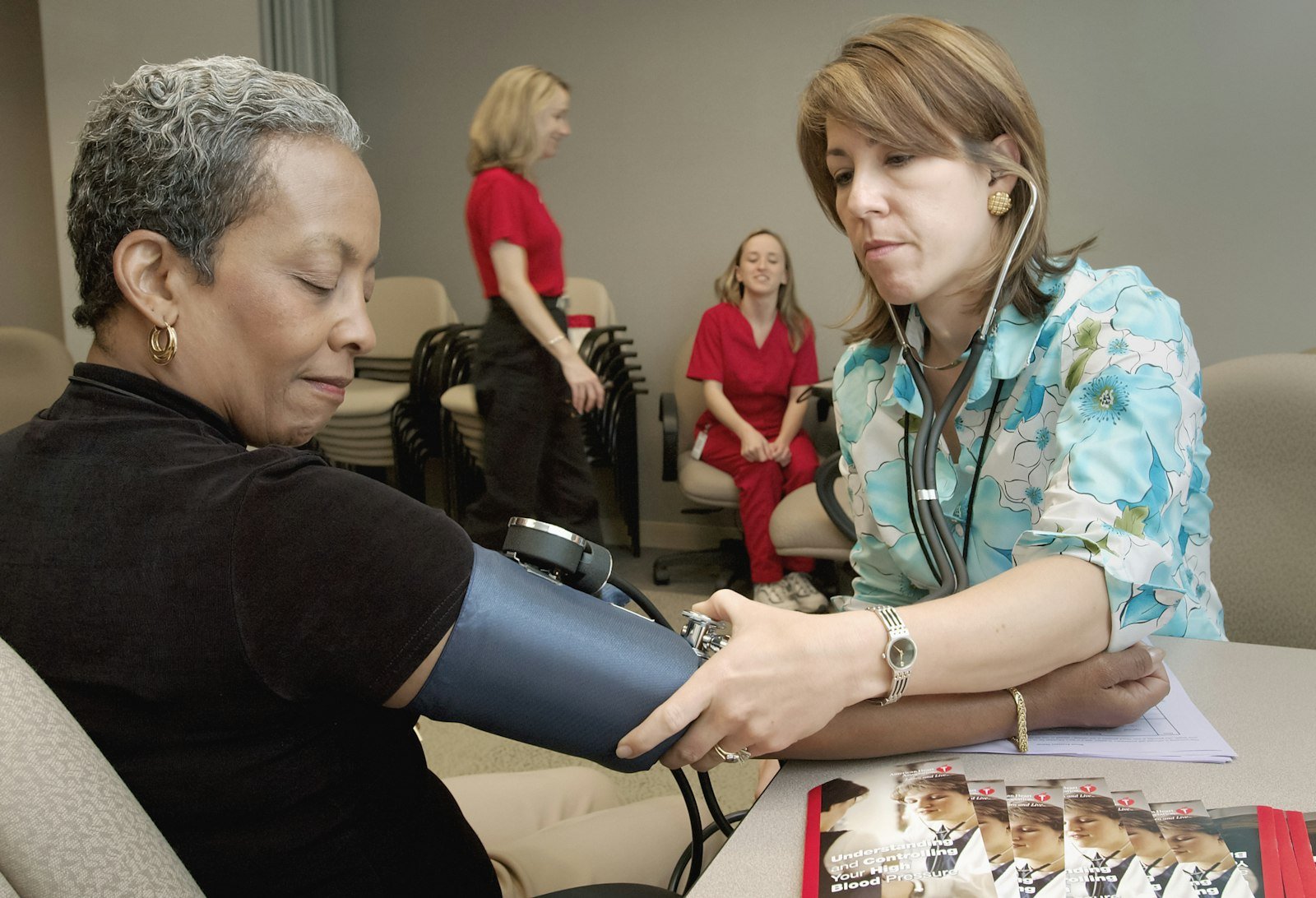
Adolescence is an often-missed window for important boosters and new vaccines. The Tdap booster (tetanus, diphtheria, pertussis) is recommended at around 10–12 years. Annual influenza vaccination protects against seasonal flu.
The HPV (human papillomavirus) vaccine is one of the most important advances of recent decades — it prevents cervical cancer, the second most common cancer in Indian women, as well as other genital cancers. It is recommended for both girls and boys starting at 9–14 years (two doses) or 15 years and older (three doses). Catch-up vaccination is recommended up to age 26 and is now approved up to 45 in some cases.
Adult vaccines (19–60 years)
Adults often assume vaccines are 'for kids' — but several are critical. A Tdap booster every 10 years protects against tetanus and pertussis (and one dose should ideally be Tdap, not just Td, to protect newborns from whooping cough). Annual influenza vaccination is recommended for everyone above 6 months, especially those with diabetes, heart disease, lung disease or weakened immunity.
Hepatitis B vaccination is essential for all healthcare workers and anyone not vaccinated in childhood. Adults with chronic conditions (diabetes, kidney or liver disease, asplenia) need pneumococcal vaccination. Travellers may need typhoid, hepatitis A, yellow fever or meningococcal vaccines depending on destination. COVID-19 vaccines and boosters remain important for high-risk groups as guidance evolves.
Vaccines in pregnancy
Pregnancy is a time when vaccination protects both mother and baby. Two doses of Tdap (or boosters) during pregnancy — ideally between 27 and 36 weeks — pass antibodies to the baby and protect against whooping cough in the first vulnerable months of life. Annual influenza vaccination is safe and strongly recommended during pregnancy. Live vaccines (MMR, varicella) should be avoided during pregnancy but can be given before conception or after delivery.
Senior vaccines (60+ years)
As immunity weakens with age, certain vaccines become essential. Annual influenza vaccination is non-negotiable — flu can be deadly in older adults. Pneumococcal vaccination (PCV13 followed by PPSV23) protects against pneumonia, the leading infectious cause of death in seniors. The shingles vaccine (Shingrix or Zoster) protects against painful shingles outbreaks and the long-term nerve pain (postherpetic neuralgia) that follows. A Tdap booster every 10 years and seasonal COVID-19 boosters as advised round out the schedule.
Common myths, real safety
Vaccines are among the most extensively studied medical products in the world. The myth that vaccines cause autism has been thoroughly disproven by dozens of large studies. Mild side effects — sore arm, low fever, tiredness for a day or two — are common and indicate the immune system is responding. Serious side effects are extremely rare, far less common than the diseases the vaccines prevent.
At Dr. R B Yadav Hospital, our paediatrics and internal medicine departments offer the full schedule of childhood, adolescent, adult, pregnancy and senior vaccines, along with travel and special-condition vaccination. A short appointment can give years of protection. Bring your old vaccination card or any records you have — we will help you build a complete, up-to-date immunisation plan.